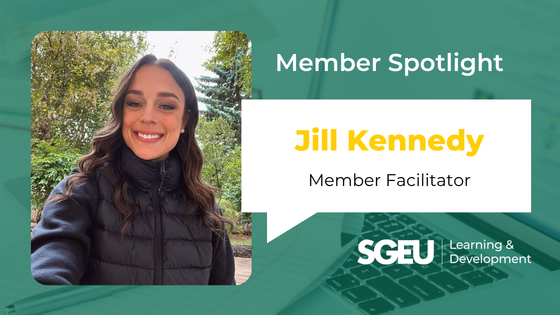
Meet Jill Kennedy, Team Leader at the Paul Dojack Youth Centre in Regina, Saskatchewan. As Team Leader, Jill plays a key role in supporting youth in custody while also helping manage the broader functioning of her unit.
“It’s about supervision, safety and rehabilitation,” she explains. “But at the centre of it all is helping youth build the skills they need to safely reintegrate into the community.”
A day in the life: Structure, support and surprises
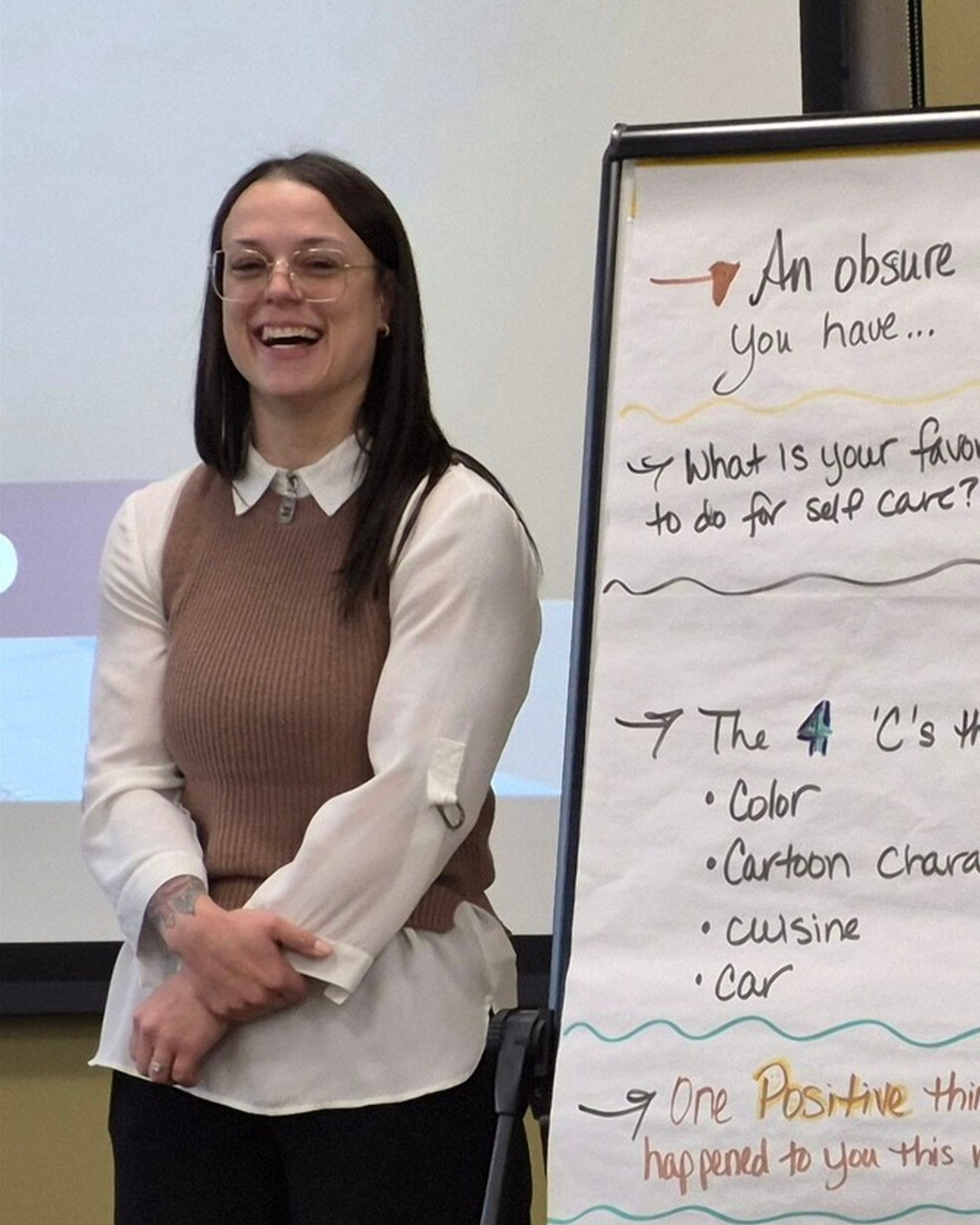
No two shifts look exactly the same, but Jill’s evenings are rooted in structure and purpose. Her team leads youth through evidence-based programming, physical activity, skill-building tasks like chores and homework, and unit responsibilities that build accountability and routine.
An important part of this work is the cultural programming woven into daily life at the centre.
“We collaborate with Cultural Advisors and Elders every day,” she says. “Those cultural programs are a huge part of connection, identity and healing for our youth.”
Behind the scenes, Jill is also managing casework, supporting staff, and overseeing unit-wide planning while balancing both the human and operational sides of corrections work.
Making a difference beyond the facility walls
Jill is quick to point out that her work doesn’t stop at the facility doors.
“Everything we do is about public safety,” she says. “If we can support youth in changing their patterns and building new skills, we reduce the likelihood of reoffending and help them reintegrate successfully.”
That ripple effect extends into communities across the province. The goal goes beyond supervision; it’s about helping youth build accountability, reconnect with community, and develop the tools they need for life beyond custody.
And while the purpose is meaningful, Jill is honest about the complexity of the environment she works in.
“The youth we support have often experienced significant trauma and mental health challenges,” she explains. “That makes the work both rewarding and very demanding.”
Staff must balance strict security protocols, locks, boundaries, and constant situational awareness with what’s known as dynamic security: building relationships, modelling positive behaviour, and de-escalating situations through communication and trust.
“It’s a constant balancing act between maintaining safety and building trust.”
When asked about moments that stand out, Jill doesn’t hesitate to reflect on her experiences at Culture Camps, led by Elders and Cultural Advisors.
“Those camps are powerful,” she says. “They immerse us in land-based learning, Indigenous traditions, and worldviews that really support the youth in meaningful ways.”
For Jill, those experiences reinforced just how important cultural connection can be in the rehabilitation journey, for both the youth and the staff.
On difficult days, Jill returns to a simple foundation: purpose.
“I remind myself of ‘why’,” she says. “I do this work to make a difference for youth who may not have had consistent positive support in their lives.”
That mindset, paired with self-compassion, helps her stay grounded in a high-stress environment.
Jill also highlights the importance of workplace supports available to staff, including Critical Incident Stress Management teams, Occupational Health and Safety committees, training opportunities, and union stewardship.
“These supports matter,” she says. “They help us process what we experience and continue doing our jobs safely and effectively.”
Why a strong voice matters
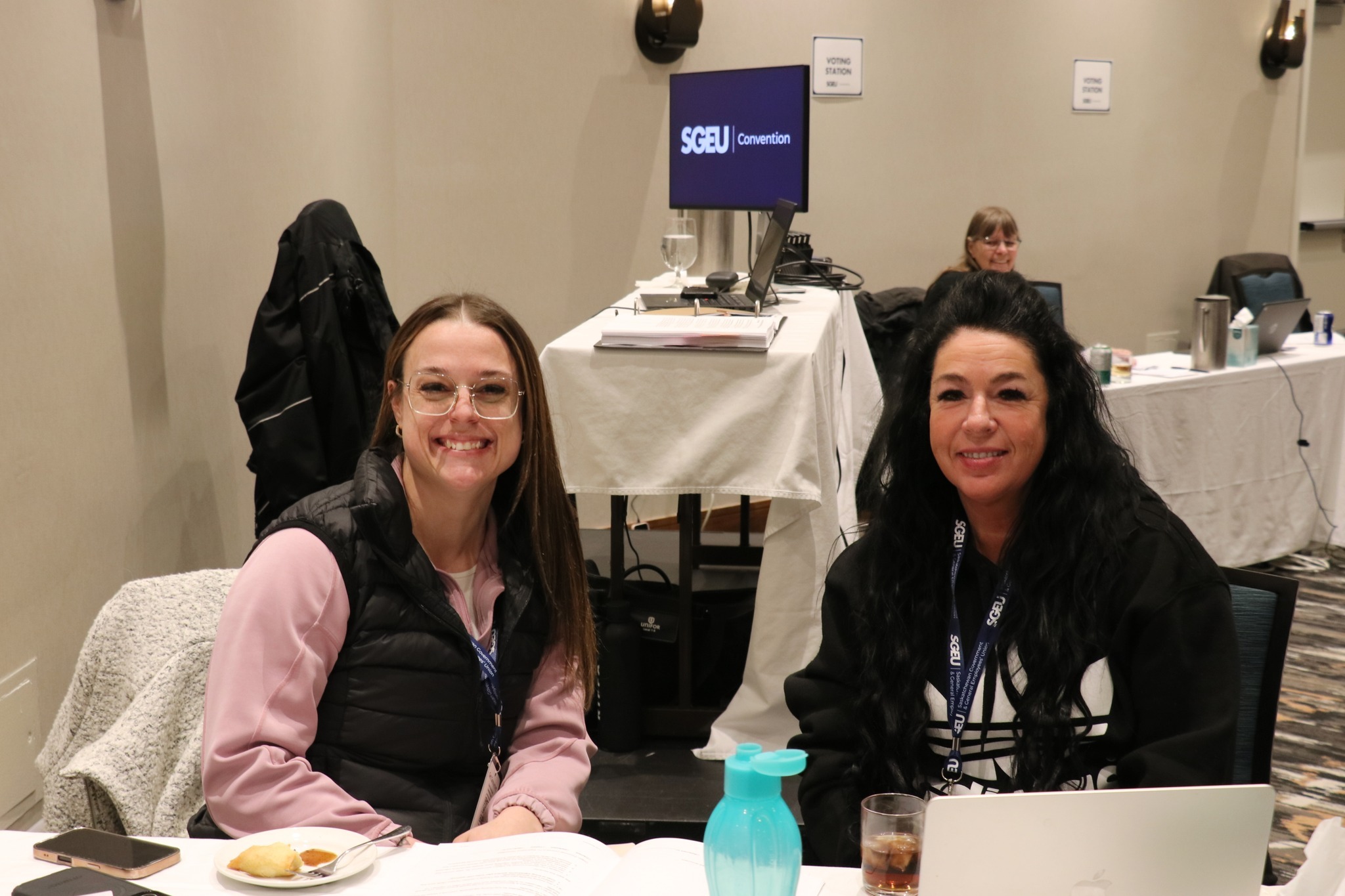
As both a frontline worker and a member facilitator, Jill has seen firsthand the importance of collective voice.
“In a high-risk environment like ours, a strong union voice is essential,” she says. “It helps improve conditions, influence policy, and ensure frontline experience is part of the conversation.”
Through her work facilitating learning and development courses, she’s also found another way to connect with colleagues and strengthen shared knowledge across the organization.
Success in her role isn’t defined by a single outcome.
“Again, it’s all about balance,” Jill says. “Safety, structure, rehabilitation, and creating an environment where youth can actually prepare for life after custody.”
Sometimes success is visible. Sometimes it’s quiet and long-term. But it always centres on progress.
Looking ahead
Jill hopes the future of youth corrections continues to shift toward evidence-based rehabilitation and restorative approaches.
“We’re seeing more and more evidence that these methods reduce recidivism and support healing. That’s the direction we need to keep moving in.”
At the heart of it all, Jill believes strongly in the value of public services.
“They’re essential,” she says. “They support equity, stability, and community well-being. When they’re strong, everyone benefits.”
 View
All Posts
View
All Posts